The Seated Dilemma: How the Modern Workplace is Quietly Damaging Our Bodies and Minds and What Needs to Change
Sitting is a direct result of modern work, and one of its most overlooked design flaws. From commuting to working to unwinding, most of our daily routines are built around being still. Movement is no longer embedded in how we work, which means staying active requires a more intentional effort.
This shift toward a more sedentary lifestyle has a significant impact on overall health. Limited movement has been linked to an increased risk of conditions such as high blood pressure and diabetes, while also placing sustained strain on muscles, joints, and posture over time.
Mental and Emotional Side Effects
Research from the Association for Psychological Science suggests the impact extends beyond physical health. Prolonged sitting is associated with higher rates of anxiety and depression, particularly among employees in predominantly desk-based roles. Even more notably, physical activity outside of work hours does not fully offset these effects. Individuals who remain sedentary throughout the workday still show higher levels of anxiety and depression, even if they exercise regularly. An active lifestyle does not completely counteract a sedentary workday.
The Solution
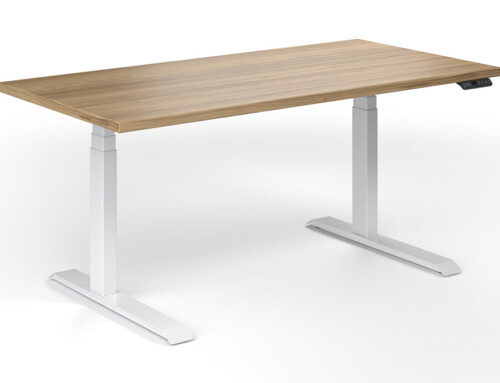
Addressing this issue isn’t just about encouraging individuals to move more; it requires rethinking how the workday is designed. Creating built-in opportunities for movement throughout the workday is essential to reducing both physical and mental strain. Sit-stand workstations are one practical solution, enabling users to alternate between sitting and standing while supporting improved focus and comfort. This can be achieved through a full sit-stand desk or a desk converter, which sits on top of an existing desk to provide similar flexibility.
Pairing a sit-stand solution with ergonomic accessories can further improve comfort and usability. Adjustable monitor arms help maintain proper screen positioning and reduce strain, while anti-fatigue mats make standing more comfortable and sustainable over longer periods.
Practicing good posture is also key to getting the most out of any ergonomic setup.
TIP: The most effective sit-stand desks are highly adjustable, allowing them to align with your height, proportions, and preferred working style rather than forcing you to adapt to the workstation.
Other Ways to be More Active in Your Daily Life
In addition to incorporating standing into your workflow, small actions can make a meaningful difference:
- Take short breaks to stretch or walk throughout the day
- Choose stairs over elevators whenever possible
- Schedule walking meetings or standing check-ins
- Incorporate regular exercise or active hobbies into your routine
- Stay active with a friend for extra motivation
- Walk or cycle instead of driving when possible
The modern workplace wasn’t designed for movement, but it can be redesigned. The real shift lies in moving from intention to integration, where activity is no longer something we add to the day, but something built into it.